Quitting Porn as a College Student
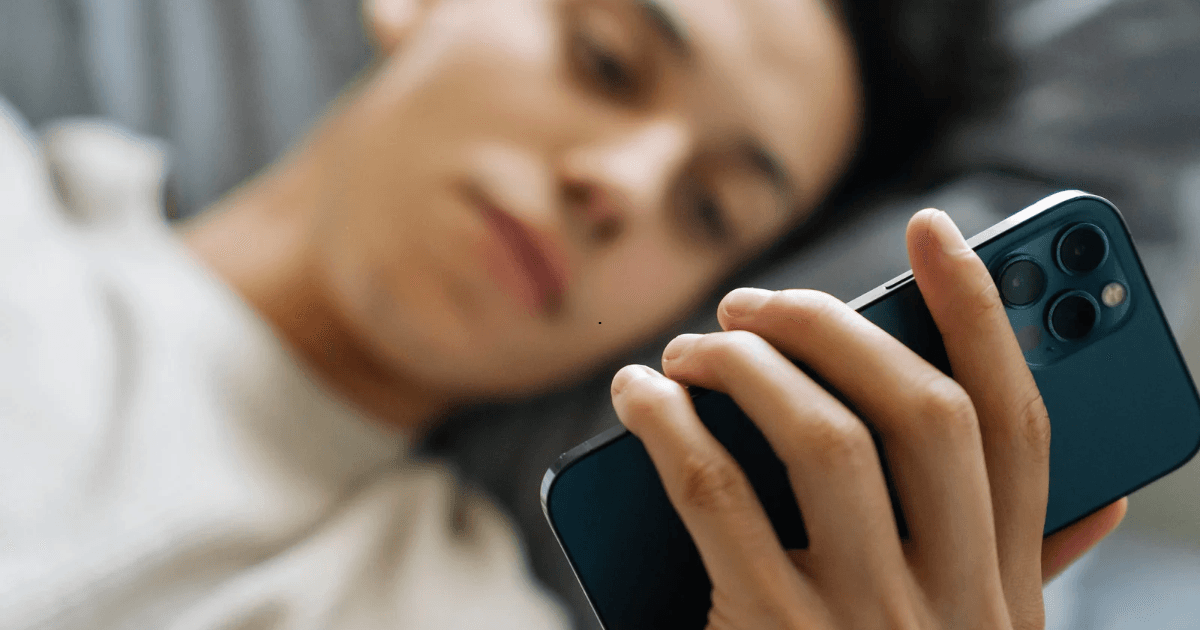
Table of Contents
College gives you a level of independence you might not have experienced before. You decide how to spend your free time, when to go to bed, who you spend time with, and what you do when nobody is around.
But that freedom can also make certain habits harder to manage.
Perhaps pornography started as something you watched out of curiosity during your teenage years. Now that you're in college, you have more privacy, unrestricted internet access, and fewer people around to notice how much time you're spending on it.
Maybe you watch it when your roommates leave, after a stressful day of lectures, or whenever you find yourself alone with nothing to do.
You want to quit, but simply telling yourself to stop hasn't worked.
If you're a college student struggling with pornography, you don't need another lecture about why you should quit. You need practical ways to deal with the situations that keep pulling you back into the habit.
Here are some ways to start changing your relationship with pornography while still making the most of your college years.
1. Understand What Triggers Your Porn Habit
Before trying to change your behaviour, take some time to understand when and why you usually watch pornography.
College life can create several situations that make the habit easier to maintain. You might spend long periods alone in your room, stay awake scrolling through your phone, or turn to pornography whenever you're struggling with academic pressure.
Sometimes, it isn't even about being particularly sexually aroused. You might simply be bored, lonely, frustrated, or looking for something entertaining.
Start paying attention to your usual pattern.
Do you watch porn after returning from lectures? When your roommates leave? When you're procrastinating on an assignment? Or late at night when everyone else is asleep?
These details matter because different triggers require different solutions.
For example, if you usually watch pornography when you're avoiding assignments, simply using a website blocker might not address the underlying problem. You may also need to work on your study routine and how you handle academic pressure.
The more clearly you understand what leads you back to pornography, the easier it becomes to prepare for those situations instead of repeatedly reacting to them.
2. Learn to Manage Your Independence and Privacy
One major difference between college and living at home is the amount of privacy you have.
You might now have your own room, share accommodation with people who have different schedules, or spend several hours alone while everyone else is attending classes.
Nobody necessarily knows what you're doing on your devices, and you have fewer external restrictions on how you spend your time.
That freedom isn't a bad thing. However, if you've developed a habit of watching pornography whenever you're alone, having more privacy can make it easier to continue.
You need to learn how to manage that independence without depending on someone else to supervise you.
For example, avoid spending entire afternoons in bed scrolling through your phone. If you have no reason to stay in your room, consider studying in the library, visiting a common area, or going outside for a while.
If you live alone, create some structure around your day. Decide when you'll study, exercise, relax, and go to bed instead of allowing every free hour to become unplanned screen time.
The goal isn't to avoid being alone. It's to become comfortable managing your time and decisions even when nobody is watching.
3. Deal With the Late-Night Porn Habit
For many college students, nighttime is when quitting pornography becomes particularly difficult.
You've finished your assignments, your friends have gone to sleep, and there's nothing particularly urgent left to do. You pick up your phone to check social media, encounter suggestive content, and eventually find yourself watching pornography.
Before you know it, you've lost an hour or more.
This can become a frustrating routine, especially when it starts affecting your sleep or leaving you tired during lectures the following day.
One way to address it is to establish a proper nighttime routine.
Set a time when you stop browsing social media, avoid taking your phone into bed, and decide what you'll do after finishing your studies.
You could read, listen to a podcast, prepare for the following day, or simply go to sleep earlier.
If you know late-night browsing is a recurring trigger, don't wait until you're already tempted to start setting boundaries.
You might also consider charging your phone away from your bed or using restrictions that make it harder to access pornography during the hours when you're most vulnerable.
4. Make Porn Harder to Access on Your Devices
College students often rely on their phones and laptops for almost everything, from attending online classes to researching assignments and communicating with friends.
Unfortunately, those same devices make pornography extremely easy to access.
When you're trying to quit, relying entirely on willpower while keeping every source of temptation readily available isn't particularly practical.
Start by removing the things that regularly lead you towards pornography. Delete saved content, bookmarks, and accounts that expose you to explicit material.
You can also install a porn blocker on your phone and computer to restrict access to websites you regularly visit.
Retayn is one option worth considering. It helps you block porn websites and provides recovery tools to help you track your progress and stay focused on quitting.
Remember that blocking websites is only one part of recovery. It won't automatically address every trigger, and it may not restrict every platform where sexual content appears.
The objective is to introduce enough friction that you have an opportunity to reconsider your decision instead of acting on every impulse.
5. Build a Social Life That Gives You Something to Look Forward To
You can attend lectures, sit in a crowded cafeteria, and spend time around other students every day while still feeling lonely.
This is something worth considering if pornography has become one of your main ways of entertaining yourself or dealing with isolation.
College gives you opportunities to meet people and develop interests outside your academic responsibilities. But those opportunities won't always happen automatically. Sometimes you have to make an effort to participate.
Join a sports club, attend campus events, participate in student activities, or make plans with classmates after lectures.
You could also explore interests that have nothing to do with your course. Learning a new skill, joining a creative group, or working on a personal project can give you something to look forward to outside your usual routine.
You don't need to become extremely outgoing or fill every minute with social activities.
The point is to build a life that doesn't revolve around spending your free time alone with your phone.
If you find it difficult to talk about your pornography struggles with people you know, Retayn also offers a community where you can connect with others working towards similar recovery goals.
Having people who understand what you're trying to change can make the process feel less isolating.
6. Stop Using Porn as an Escape From Academic Pressure
Between assignments, examinations, financial concerns, and uncertainty about the future, college can be stressful.
When you have several deadlines approaching, you might find yourself looking for ways to avoid thinking about everything you need to do.
Pornography can become an easy distraction.
You might tell yourself you'll watch something for a few minutes before returning to your studies. But those few minutes can turn into an hour, leaving you with even less time to complete your work.
The problem is that avoiding an assignment doesn't make the pressure disappear. You still have to deal with it later, sometimes with even less time available.
Instead of relying on pornography whenever academic pressure becomes uncomfortable, learn to break difficult tasks into smaller steps.
If an assignment feels overwhelming, work on it for 20 or 30 minutes rather than waiting until you feel motivated enough to finish everything.
Take proper breaks, get enough sleep, and avoid leaving all your studying until the last minute.
You should also have ways to deal with stress that don't involve escaping into sexual content. Exercise, take a walk, talk to someone, or spend some time doing something unrelated to your studies.
You don't need to eliminate stress to quit pornography. You need to stop making it your automatic response whenever college becomes difficult.
7. Don't Let Dating, Rejection, or Sexual Frustration Pull You Back
College can bring new experiences with dating, relationships, attraction, and sexual frustration.
You might be interested in someone who doesn't feel the same way. Perhaps you've recently gone through a breakup, struggle with dating, or feel frustrated because your romantic life isn't going the way you expected.
These experiences can make pornography particularly tempting, especially if you've become accustomed to using it for sexual gratification or temporary comfort.
The important thing is to recognise when you're using pornography to compensate for something happening in your personal life.
You cannot force someone to be interested in you, and you don't need to be in a relationship to build a fulfilling college experience.
Spend time developing friendships, pursuing your interests, and becoming more comfortable with yourself.
If you're sexually frustrated, acknowledge that feeling without assuming pornography is the only way to deal with it.
You don't need to solve every dating or relationship problem before you can quit. You just need to stop allowing those experiences to become automatic reasons to return to pornography.
8. Don't Let One Relapse Ruin Your Progress
One of the most discouraging experiences when quitting porn is relapsing after several days or weeks of progress.
You might start questioning whether you've actually changed anything. Some students even fall into the mindset that they've already ruined their progress, so they might as well continue watching pornography.
Don't let one setback turn into a prolonged return to the habit.
Instead, examine what happened.
Were you spending too much time alone? Did you abandon your nighttime routine? Were you stressed about examinations? Did you encounter something online that triggered the urge?
Identify what contributed to the relapse and make the necessary adjustments.
Also, don't confuse a setback with losing all your progress. The days you spent changing your habits, recognising triggers, and learning to manage urges still count.
You don't need to restart your entire life because you made a mistake. Take responsibility, learn from the experience, and return to the habits that were helping you.
9. Build Habits That Will Last Beyond College
Quitting porn shouldn't depend entirely on having a busy college schedule or being surrounded by other students.
Eventually, you'll graduate. Your living arrangements may change, you'll have different responsibilities, and you'll probably have even more independence.
If your only strategy is avoiding pornography because you're busy with classes or spending less time alone in your dorm, what happens when those circumstances change?
That's why you need to develop habits that can continue beyond your time in college.
Learn how to manage your internet use, recognise your triggers, deal with uncomfortable emotions, and spend your free time intentionally.
Don't make your entire recovery revolve around counting the days since your last relapse. Pay attention to whether you're becoming more disciplined, spending less time consuming sexual content, and developing a healthier relationship with your devices.
You should be working towards a lifestyle in which pornography no longer has such a significant place, regardless of where you're living or how much free time you have.
Final Thoughts
Quitting porn as a college student can be challenging, especially when you have unrestricted internet access, plenty of private time, academic pressure, and an unpredictable schedule.
But you don't have to wait until you graduate or move somewhere else to make a change.
Start by identifying your triggers, changing the routines that repeatedly lead to pornography, restricting access to explicit content, and building a more fulfilling life outside your screen.
You can also use Retayn to block porn websites, track your recovery progress, and connect with people working towards similar goals.
Most importantly, don't approach quitting as a temporary challenge that ends after a certain number of days. Build habits that help you stay in control even when college gets stressful, your schedule changes, or you're spending time alone.
Your college years can be about much more than a habit you're trying to escape. Allow yourself to focus on your education, friendships, interests, and the future you're building.
Related: Quitting Porn When Working from Home

Ready to Start Your Recovery?
Join thousands rebuilding their lives with Retayn's private, evidence-based recovery tools.
Retayn Editorial Team